
Subscribe via E-mail

Your email:

ThermoFab Blog

Current Articles | RSS Feed RSS Feed

Justifying the Jump from Metal to Plastic

  | Share on Twitter Twitter | Share on Facebook Facebook | Submit to Digg digg it |  Add to delicious  delicious |  Submit to StumbleUpon StumbleUpon |  Share on LinkedIn LinkedIn | Submit to Reddit reddit 
Thermoforming Superhero: ThermoFab saves the day in the world of custom plastic enlcosures!

Justifying the Jump from Metal to Plastic

We all know that the eye gravitates toward curves versus boring straight lines! If money was no object - would you choose a Corvette or a Pinto? The challenge faced today by most product managers and designers is bringing a product to market within budget and justifying the external enclosure as 'curvy and swerve"y" ' vs. a ho-hum metal box. Some distinct projects come to mind where redesigns and upgrades have paid off for our clients!


When should a company consider making the Jump
to Plastic?

Redesigns from metal housings to plastic are easily justified by marketing and engineering teams. Curves along with creating a signature shape or look brand the product line and create buzz in the marketplace. Simply put: Buzz sells more product!

Is it more expensive to produce something in plastic or metal?
Short answer - yes! (If we are talking about easily bent sheet metal.) There are two choices - create curves with a tooling investment or keep the design angular and most likely boring with a basic sheet metal shape. An investment is needed - but with discussion and want lists - an upgraded look is easily achievable within budget!

If the company decides to make the jump, what costs will the company need to consider (design, materials, etc.?)
Companies have to consider their user, their market when working the budgets to analyze the overall cost of the enclosure. If you spend 10%-20% of the total product cost on the exterior enclosure - - the so-called first impression "view" will you sell 100% more product? Yes - we've seen product redesigns and branding efforts pay off immediately for clients. The ROI is amazing to witness!

When is it not a good idea to manufacture in metal?

  • The product enclosure is an essential aesthetic design element.
  • When the product design in metal is too complicated for the metal house to manufacture and drives cost.
  • An angular simple box design makes the enclosure look flimsy and doesn't promote the sophisticated product line.

Did you find this information helpful? Great! You should download our free Design Guide, because these are the sort of quality tips and explanations we provide.

Call ThermoFab 888-494-9777 for engineering and design assistance with your thermoforming project.

The QA Conundrum: Understanding Quality Assurance in Thermoforming

  | Share on Twitter Twitter | Share on Facebook Facebook | Submit to Digg digg it |  Add to delicious  delicious |  Submit to StumbleUpon StumbleUpon |  Share on LinkedIn LinkedIn | Submit to Reddit reddit 
Thermoforming Superhero: ThermoFab saves the day in the world of custom plastic enlcosures!

ThermoFab QA CMMAh, yes. "Quality Assurance." QA. It's a term you no doubt have heard bantered about in the marketplace, by your vendors, and in your own hallways. But what does it really mean? Has it become a meaningless phrase, a term that all product manufacturers talk about--or at least talk around--but that has become overused, much like the terms "robust solution" or "teachable moment"?

We're going to talk about what QA really is, how to look for it and what questions to ask your thermoforming vendor, and what, exactly, our quality assurance promise is to our customers.

Ultimately, the customer (the true end user) decides if a product is "quality" or not. For us at ThermoFab and for you, that means your customers (end users) determine whether the part we thermoformed is quality.

Still, we can all takes steps to assure that what we're putting out there--from the custom thermoformed plastic enclosures to the final product itself--is the right quality. Which brings us to the next point.

What is a quality product?
A quality product meets a specific market's needs. It doesn't necessarily have to be expensive or even "high quality" to be a quality product. The market and the people in that market determine quality.

What's the difference between quality assurance and quality control?
We imagine you'll probably get different definitions depending on the source, but here's how we view it: QA and QC are different. We think this explanation from the Wikipedia page on quality assurance is accurate:

"Quality control emphasizes testing of products to uncover defects, and reporting to management who make the decision to allow or deny the release, whereas quality assurance attempts to improve and stabilize production, and associated processes, to avoid, or at least minimize, issues that led to the defects in the first place."

What's something that can hamper the production of a quality product that no one ever talks about?
What we're going to say might sound simple--even too simple--but the biggest thing that can hamper the production of a quality product is an unrealistic vision.

For example, perhaps you or someone in your company has sketched out or designed how you expect the product to look and function. Now what if you begin to talk it up and market this idea to people--upper management, marketing, sales, even potential customers--only to realize once you sit down with your manufacturing vendor that your original vision (i.e. your design) needs to be adjusted or tweaked?

Read more in our May eNewsletter: http://www.thermofab.com/newsletters/may-2010-thermoforming-quality-assurance/


Call ThermoFab 888-494-9777 for engineering and design assistance with your thermoforming project.

7 Considerations When Choosing a Thermoforming Company

  | Share on Twitter Twitter | Share on Facebook Facebook | Submit to Digg digg it |  Add to delicious  delicious |  Submit to StumbleUpon StumbleUpon |  Share on LinkedIn LinkedIn | Submit to Reddit reddit 
Thermoforming Superhero: ThermoFab saves the day in the world of custom plastic enlcosures! 

Picture this scenario: you and your company have been laboring over a new product concept. You've done the market research, and you know demand exists. You've designed the product, and you've collaborated with a thermoforming company to manufacture the plastic enclosure. You've priced the product to sell right out of the gate. You've created buzz, and you've worked tirelessly on the marketing plan, the social media plan, and the PR plan. All you're waiting for now are the actual thermoformed parts.

You wait. And you wait, only to find out there's an issue with the design. And then the materials. And-oh wait-the company that's manufacturing the parts is behind schedule. There's nothing you can do (well, unless you want to sink more money into starting all over with another manufacturer).


While this might seem like an extreme example, it's not. Your time to market (TTM) is determined by the length of each stage of a product's development, one of the most crucial of which is the actual manufacturing of your thermoformed parts.

This is why it's important to keep in mind that not all thermoforming companies are alike. You must select carefully. At the same time, choosing a thermoformer doesn't need to be a stressful process, if you know what to look for-and what to avoid. And that's where this white paper comes in.

We've outlined the key questions to ask and factors to consider when making your decision. Your product is an investment. Take the time to speak to several thermoformers to understand how each one approaches the manufacturing process.


Here's something to note before you continue reading:

Understanding the difference between thin- and heavy-gauge thermoforming is essential when researching a thermoforming company's expertise. Knowing up front what type of thermoforming you need will help save you time during the initial contact phase.

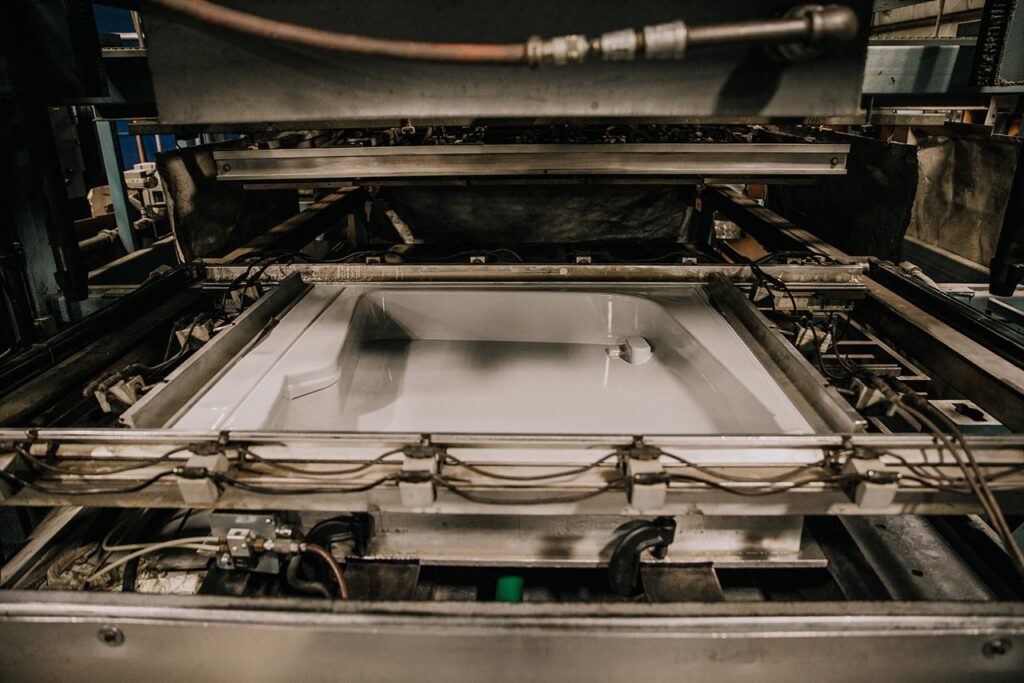
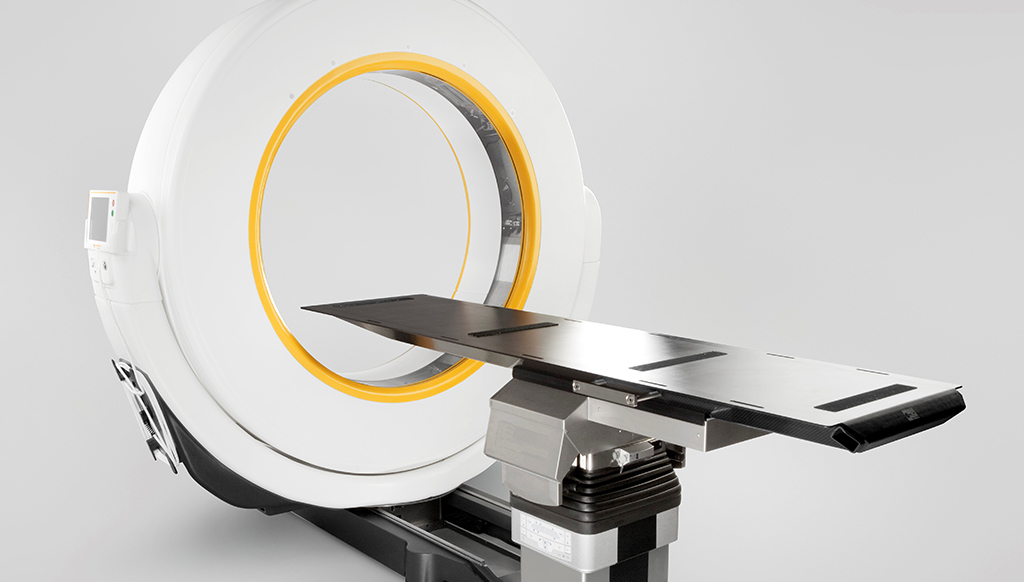
There's no sense in contacting a heavy-gauge thermoformer when what you need is a thin gauge one. Most packaging-think of the plastic that holds a wireless headset-is thin-gauge thermoforming. Heavy-gauge thermoforming involves a plastic part that in essence "becomes" the product. For example, think of your computer or a medical device at the hospital. The plastic enclosure not only covers and protects the delicate electrical components on the inside, but also makes the product look better.

While you can use most of the considerations that we discuss below for evaluating either thin- or heavy-gauge thermoforming companies, it's important to know that this paper was written with heavy-gauge thermoforming in mind.

Below is the link to our whitepaper:

http://www.thermofab.com/thought-papers-articles/choosing-thermoforming-company/

Call ThermoFab 888-494-9777 for engineering and design assistance with your thermoforming project.

Hardware Considerations for Thermoformed Parts

  | Share on Twitter Twitter | Share on Facebook Facebook | Submit to Digg digg it |  Add to delicious  delicious |  Submit to StumbleUpon StumbleUpon |  Share on LinkedIn LinkedIn | Submit to Reddit reddit 
Thermoforming Superhero: ThermoFab saves the day in the world of custom plastic enlcosures!

Thermoforming Superhero

Thermoforming Superhero

Did you just ask yourself - - How do I best attach this plastic enclosure to the metal chassis?  Do you need assistance with a hidden hindge design incorporation with a plastic assembly?

If you are looking for a thermoforming company to assist you to develop and manufacture your parts by meeting your specifications and expectation then it is critical that you and your team carefully think through the ins and outs of your parts hardware. Email superhero@thermofab.com to assist with your project and hardware options.

Call ThermoFab 888-494-9777 for engineering and design assistance with your thermoforming project.
All Posts